

Most steam plants waste fuel in places nobody is looking: failed traps, vented flash steam, condensate to drain, wet steam at the process. We find those losses, put a dollar figure on each one, and design the fix. Our engineers have delivered audits and system designs for meat processors, food manufacturers and OEMs across Australia, with paybacks that on major projects have come in under 12 months.
Steam system consultancy and design

What we offer

Steam system audits
An on-site appraisal of your steam and condensate system that baselines how it performs today and shows where the energy is going. Scope below.

Energy saving identification
A ranked list of the losses we find, each with an estimated cost per year, the fix, the capital required and the payback. You decide the order.

Technical drawings and P&IDs
Steam piping design, pipe and instrumentation diagrams and equipment schedules for new systems, modifications and plants that were never documented.
Conceptual layouts and system design
Plant layout and system design for new installations and major upgrades, covering distribution pressure, pipe sizing, pressure reduction, heat transfer, condensate return and metering as one system rather than a list of parts.

What does a steam system audit involve?
An audit is a physical inspection, not a desktop review. Our engineers walk the plant from the boiler house to the last point of use and log what they find. The table below shows what a standard audit covers and what each part tells you.
| Area | What we check | What it tells you |
|---|---|---|
| Boiler house and feedwater | Feedwater temperature, make-up water volume, blowdown, condensate return rate | How much energy and treated water is being replaced instead of returned |
| Steam distribution | Distribution pressure, pipe sizing, drainage points, insulation on pipe, valves and flanges | Where pressure and heat are lost between the boiler and the process |
| Steam traps | Every trap tagged by type, size, pressure and application, and tested | Which traps are passing live steam or holding back condensate, and what each failure costs |
| Pressure reducing stations | Valve sizing against actual load, separators, safety valve provision | Whether stations are hunting, eroding or under-protected |
| Heat transfer equipment | Heat exchangers, cookers, sterilisers and hot water systems, checked against duty, turndown and condensate drainage | Units that cannot hold temperature, stall at low load or waste steam |
| Condensate and flash steam | Return lines, receivers, vents, pumps and any flash steam going to atmosphere | The recoverable energy currently leaving the building |
| Metering and data | Existing steam and water meters, pressure and temperature instruments, SCADA visibility | Whether you can see what the plant is doing and prove any saving |
The audit takes one to several days on site depending on plant size, followed by analysis and report writing. We ask for recent gas bills, water bills and any production data so the findings can be expressed in your numbers.
What do you get at the end?
| Deliverable | What it contains |
|---|---|
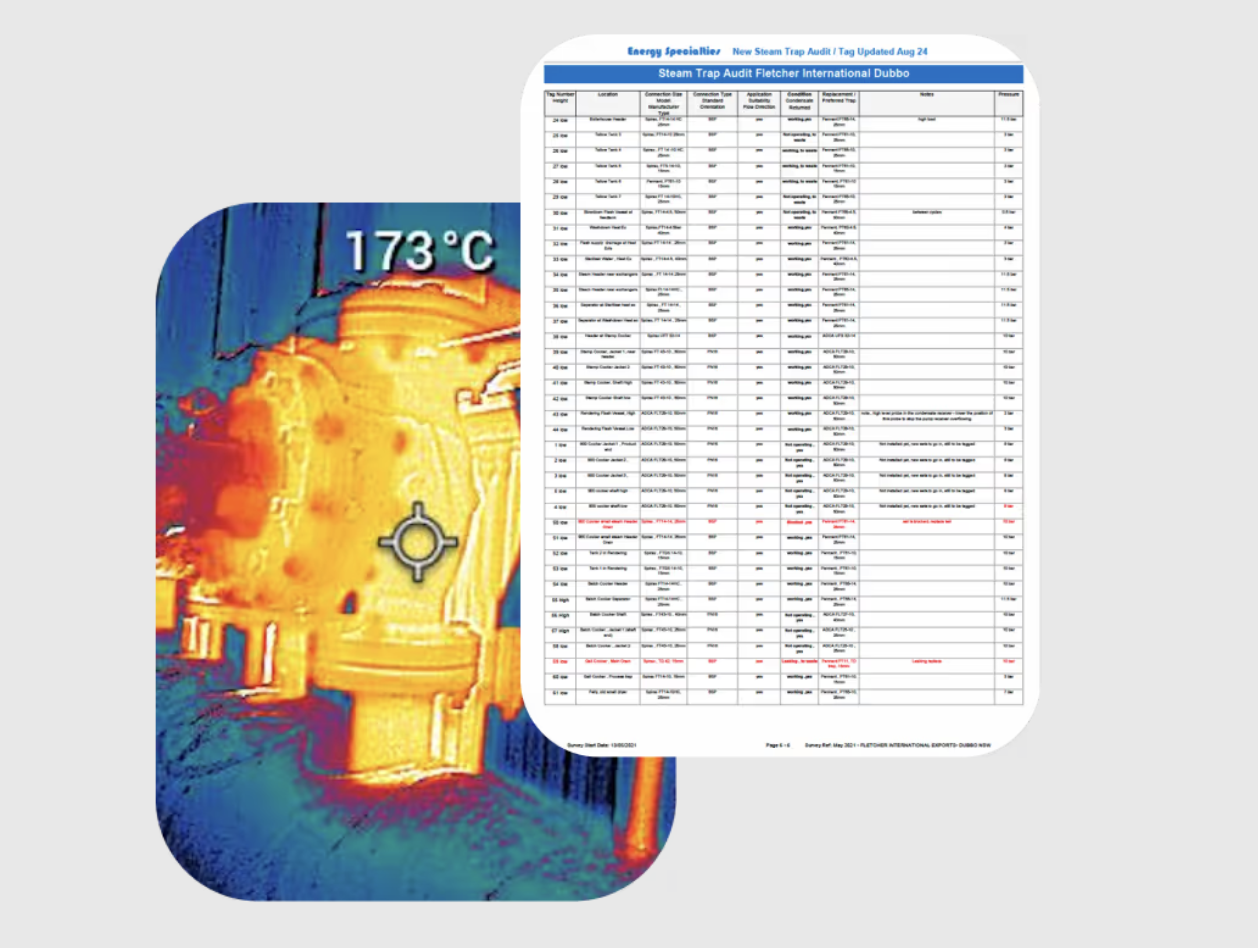
| Audit report | Findings by area, with photographs and thermal images where relevant, and a plain description of each loss |
| Costed savings register | Each opportunity with estimated annual saving, capital cost, payback and priority ranking |
| Trap survey schedule | Every trap on the plant, its condition and a replacement list, where a trap survey is in scope |
| Drawings | P&IDs and layouts for the recommended changes, and as-built drawings of existing systems where none exist |
| Implementation plan | The recommended sequence, what can be done during normal operation and what needs a shutdown window |
| Grant documentation | Engineering data and reporting in the format funding bodies require, where applicable |
You own the report. You can act on it with us, with your own contractors, or in stages as budget allows.
How much can a steam system audit save?
It depends on what we find, so we do not quote a percentage up front. What we can show is what has happened on plants we have worked with.
- Cowra Meat Processors reported a 40% reduction in gas usage after the upgrades we designed and implemented, and credited the work on system design, process efficiency and funding support.
- Fletcher International Exports reported several million dollars in savings across their improvements and upgrades, with an ROI on most projects of less than 12 months.
- At Teys Wagga, the audit of the rendering plant found around 90 GJ a day of waste heat going to atmosphere. The flash steam recovery project at Teys Wagga now recovers about 3.3 GJ per hour of it and has cut thermal energy per head of cattle processed by more than 30%.
The reason the paybacks are short is that steam is energy-dense. A single failed trap can pass more fuel in a year than it costs to replace many times over. Every 6°C rise in boiler feedwater temperature trims fuel use by roughly 1%, which is why returning hot condensate and recovering flash steam sit near the top of most of our savings registers. We cover the mechanics in our articles on heat recovery systems and how condensate recovery improves steam efficiency.
System design for new plant and upgrades
Design work starts from the duty, not the equipment. For a hot water system that means measured flows and temperatures, the real turndown range and the available steam pressure, so the heat exchanger is sized for the loads it will actually see, including the low loads where a badly designed unit stalls. Our note on how to size a steam heat exchanger explains the method.
Three recent designs show the range:
- Teys Wagga. A flash steam recovery skid and vapour condenser, designed to fit the boiler house, preheating 16,000 litres per hour of boiler feedwater from 98 to 125°C.
- Kellogg's. A metered shell and tube package replacing a leaking plate exchanger. The Kellogg's hot water system now holds temperature from 0.3 to 15 litres per second.
- EC Throsby and Hilltop Meats. One compact unit producing 60,000 litres per hour of hot water from 15 to 90°C, replacing 25 instantaneous gas units. Read the EC Throsby hot water upgrade.
Each design was delivered as drawings and a specification first. Where the client wanted it, we then supplied the equipment through our steam, condensate and water valving and heat exchanger packages ranges, built it as standard and bespoke packages, and installed and commissioned it under turnkey installation and project management.
Industries we work in
- Meat processing and abattoirs. Rendering, cooking, sterilising and hot water loads that run around the clock, where thermal energy per head is a number the board watches.
- Food and beverage. Brewing, dairy, cereal and processing plants that need precise temperature for product and for cleaning.
- Healthcare and hospitals. Sterilisation and hot water where steam quality and reliability matter more than fuel cost.
- Timber and paper. Drying and process steam at scale.
- OEM manufacturers. Steam and condensate design for equipment builders integrating heat into their machines.
Our process
- Initial consultation. A call or site visit to understand your plant, what is not working and what you want to achieve. We agree the audit scope and quote it.
- On-site audit. Our engineers trace the steam lines, test the traps, assess insulation and equipment, and log operating data.
- Report and recommendations. Written findings with every opportunity costed and ranked, presented to your team so the priorities are agreed, not just delivered.
- Implementation support. If you want us to, we design the fix in detail, supply the equipment, and coordinate installation with our trusted installation partners. Where the case supports it, we prepare the documentation for a grant application.
Why Energy Specialties?
- Steam is what we do. Not a general engineering consultancy with steam as a sideline.
- Brand-agnostic design. We specify what the duty needs, then supply it from a substantial local inventory sourced from manufacturers in Europe, America and Asia.
- Numbers you can defend. Findings are expressed as annual dollars, capital and payback, in a form a finance team can approve. Where the plant has no metering, we say so and recommend steam and water metering so savings can be proved after the fact.
- One point of responsibility if you want it. Audit, design, supply, installation and commissioning from the same team.
Frequently asked questions
What happens during a steam system audit?
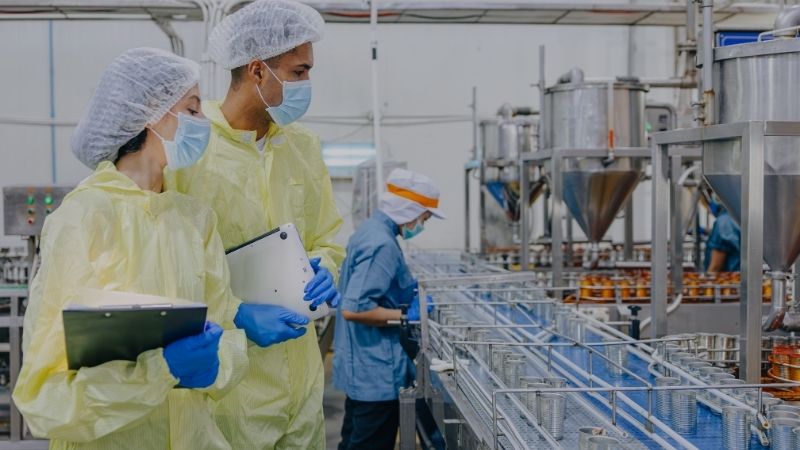
We physically trace your steam lines, test steam traps, assess insulation and heat transfer equipment, and log operating data from the boiler house to the point of use. That lets us calculate where thermal energy is being lost and what each loss costs your business per year.

How long does an audit take and what does it cost?
On-site time ranges from one day for a small plant to several days for a large processing site, with the report following. Scope and cost are quoted after the initial consultation.
How long does it take to see a return on investment?
Because steam is energy-dense, fixing inefficiencies pays back quickly. Fletcher International reported an ROI of under 12 months on most of their projects. Each item in your savings register carries its own payback estimate so you can start with the fastest.
Do you provide P&IDs for existing, undocumented systems?
Yes. We draft accurate, up-to-date pipe and instrumentation diagrams for your current plant as part of our design services. Many sites we audit have no drawings at all, and producing them is often the first deliverable.
Can you help us apply for energy efficiency grants?
Yes. We provide the engineering data, energy calculations and formal reporting required to support a government funding application. Cowra Meat Processors named facilitating funding as one of the things we helped with.
Do we have to use Energy Specialties for the installation?
No. The audit report and drawings are yours. Many clients ask us to supply and install because it keeps one team responsible from design to commissioning, but the report stands on its own if you prefer to use your own contractors.
Ready to find out where your steam plant is losing fuel?
Tell us about your plant and we will scope an audit. Call +61 493 272 864, email sales@energyspecialties.com.au, or use the contact form.
Book a steam system audit